

Fitness Studios in Chuo-ku
1 studio found
Chuo-ku hosts one dedicated CrossFit studio, reflecting the growing interest in this high-intensity training discipline within the area. The studio focuses on varied functional movements, combining strength, endurance, and agility workouts. This singular facility caters to both beginners and experienced athletes, emphasizing community and structured programming typical of CrossFit. For residents seeking a comprehensive CrossFit experience, Chuo-ku offers a solid option within its fitness landscape.
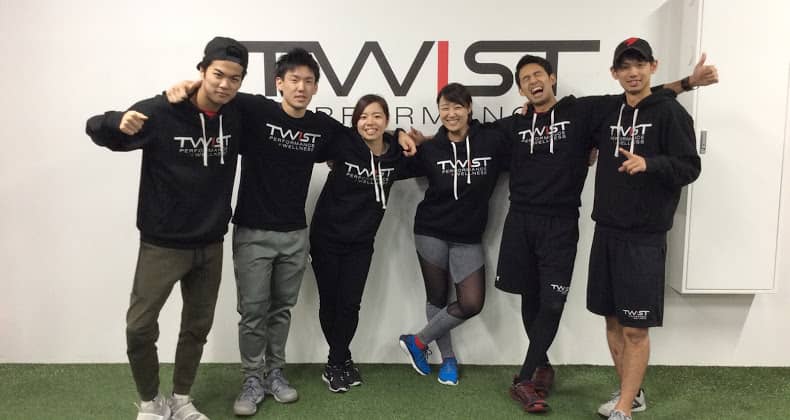
Fitness & wellness in Chuo-ku
Chuo-ku’s fitness scene centers on efficient, no-nonsense training with a strong CrossFit presence—Gyms like CrossFit Nihonbashi attract a dedicated crowd. Yoga studios here often blend mindful breathing with functional movement to help office workers manage stress and stiffness. Classes typically start early or run late to match the district’s demanding work hours. Strength and conditioning gyms focus on practical programs rather than fad workouts, appealing to those who want straightforward results. Pilates studios and stretching hubs in the area provide recovery options, important for anyone spending long hours at a desk.
Nihonbashi and Tsukiji are go-to spots for fitness, with studios located in sleek office towers or converted warehouses. Drop-in rates usually hover around 3,000 yen, with multi-class passes offering discounts. CrossFit boxes tend to run small, focused groups, while yoga sessions usually last between 45 to 60 minutes—easy to squeeze into a lunch break. Many places foster tight-knit communities, which helps locals build regular exercise habits despite busy schedules.
Frequently asked questions about studios in Chuo-ku
What types of fitness studios and classes are popular in Chuo-ku right now?
Lately, Chuo-ku’s fitness scene has shifted toward immersive digital workouts like those at Splash VR Studio near Hatchobori Station and recovery-focused spots such as Reboot Lounge in Nihonbashi. Boutique cycle studios like SpinLab Tsukiji blend tech with community vibes, while functional movement diagnostics have picked up at Functional Fit Studio by Tokyo Station.
Which neighborhoods in Chuo-ku are known for having accessible fitness options?
Nihonbashi and Tsukiji remain hot spots for fitness with studios like Studio Pilatech offering Pilates classes just a short walk from Mitsukoshimae Station. Around Hatchobori, you’ll find CrossFit Ryogoku attracting the weekday crowd. Plus, the Sumida River waterfront is popular for local joggers and morning calisthenics groups, giving an outdoor option unique to the area.
What are the typical pricing structures or class formats for fitness studios in Chuo-ku?
Most studios here, such as SpinLab Tsukiji, offer drop-ins starting around 2,500 yen, with monthly packages to cut costs if you go regularly. Classes tend to keep group sizes small—usually under 10 people—to maintain that close-knit feel. Booking is mostly handled through each studio’s app or website, especially important during busy weekday lunch hours.
Are there any local tips for someone new to fitness studios in Chuo-ku?
If you’re new, plan ahead: studios near business hubs like Nihonbashi ask for advance bookings, particularly around noon when office workers pack the rooms. Also, don’t miss morning calisthenics sessions at Hamarikyu Gardens on weekends—great for easing in with locals. And heads up: some places, like Reboot Lounge, have strict hygiene protocols, a holdover from recent years, so come prepared.